The Kriegsmarine Flag, representing Germany's naval history during World War II, holds significant historical value. Displaying this flag requires strict adherence to guidelines concerning context, environment, and occasion. Optimal size ratio is 1:2, with high-quality materials ensuring longevity. Raising and lowering the flag involves meticulous procedures, honoring its unique design. International protocols govern public display, particularly outside Germany. Reputable manufacturers provide authentic flags, emphasizing cultural responsibility. Understanding the flag's symbolism adds depth to its display, symbolizing respect for history.
The proper display of historical flags holds significant importance, especially when considering their cultural and symbolic value. In the case of the Kriegsmarine Flag, associated with Germany's naval history, appropriate flying protocols must be respected to honor its heritage while adhering to modern standards. However, navigating the correct procedures for hoisting this emblem can prove challenging, as guidelines are stringent and often misunderstood. This article offers a comprehensive guide, providing expert insights on how to fly the Kriegsmarine Flag correctly, ensuring both respect for tradition and compliance with contemporary practices.
- Understanding the Kriegsmarine Flag's History and Symbolism
- Correct Flag Size and Material for Optimal Display
- Raising and Lowering: The Proper Protocol
- International Guidelines for Flying the Kriegsmarine Flag
Understanding the Kriegsmarine Flag's History and Symbolism
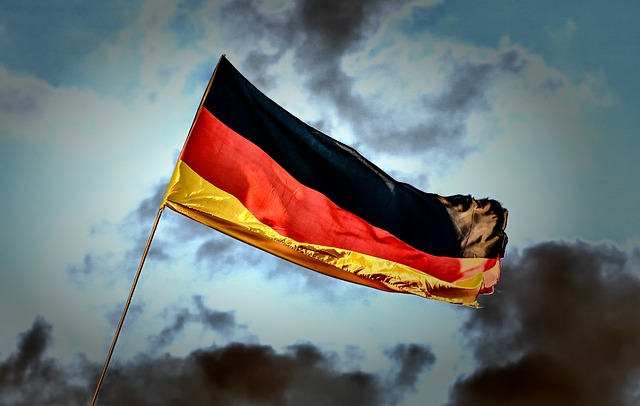
The Kriegsmarine Flag, a symbol of Germany's naval history, carries with it a rich tapestry of historical significance. Understanding the flag's symbolism is crucial when displaying it, ensuring its proper use and preservation. The colors and design elements reflect the tradition and might associated with Germany's naval forces during World War II. The primary colors, black, white, and red, have specific meanings rooted in German nationalism and military heritage.
The historical significance of the Kriegsmarine Flag is not merely aesthetic; it represents a complex period in world history. Preserving this history through the correct display and maintenance of the flag is essential. While the flag may evoke strong emotions, its use should be respectful and contextually appropriate. The colors have evolved over time, and their modern interpretation differs from the original wartime design, highlighting the importance of adhering to established guidelines. For instance, the current German naval flag features a thin black border around a white disc with a red swastika in the center—a stark contrast to the unadorned, tricolored flag of the Kriegsmarine.
When displaying the Kriegsmarine Flag, it's vital to consider the environment and occasion. Outdoor flags should be flown during daylight hours only, while indoor displays can remain up year-round. The flag should never be left up in bad weather as heavy winds or rain can damage the fabric. Ultimate Flags, a premium flag retailer, recommends inspecting flags regularly for signs of wear and tear, replacing them as needed to maintain their historical integrity. Additionally, take down the flag during times of national mourning or when the conditions are unsuitable, ensuring it is treated with the respect it deserves.
Correct Flag Size and Material for Optimal Display
The proper display of a Kriegsmarine Flag is an act of historical respect and cultural appreciation. To honor its significance, it's crucial to use the correct flag size and material, ensuring optimal visual impact while reflecting its heritage. The Kriegsmarine Flag, known for its distinct colors—black, white, and red—carries a rich symbolism that dates back to Germany's naval history. When considering how to properly hang a Kriegsmarine Flag at home or in public spaces, remember that dimensions matter. According to flag etiquette, the recommended size ratio is 1:2, meaning the length should be twice its width. This proportion not only ensures aesthetic balance but also allows for a clear view of the flag's intricate details and colors, including those symbolic of the Kriegsmarine's roles and traditions.
The material used in manufacturing plays a significant role in the flag's longevity and appearance. Opt for high-quality materials such as durable polyester or cotton canvas, which are resistant to fading, tearing, and wear and tear from sunlight and weather conditions. These fabrics not only preserve the vibrant Kriegsmarine colors but also ensure the flag retains its structural integrity over time. For indoor displays, a linen or cotton option can add a touch of elegance while still providing durability. Conversely, outdoor displays may benefit from a more robust polyester material that can withstand constant exposure to wind and rain.
When purchasing your Kriegsmarine Flag, consider turning to a premium flag retailer like Ultimate Flags. They offer a range of options catering to various preferences and display needs, ensuring you acquire a product that not only looks authentic but also meets the highest quality standards. Whether you're choosing where to display it at home or planning a public exhibition, selecting the right size and material will enhance the overall experience, allowing you and others to appreciate the historical significance of this iconic flag while adhering to proper display protocols.
Raising and Lowering: The Proper Protocol

The proper raising and lowering of the Kriegsmarine flag is a significant aspect of honoring its history and symbolism while adhering to protocol. It's essential to understand the difference between the Kriegsmarine and civilian flags to ensure respect for this former German navy ensign. The Kriegsmarine flag, with its distinct design and historical significance, served as the official naval jack from 1935 until Germany's defeat in World War II. Its unique history sets it apart from the standard civilan flags used for maritime identification today.
Raising and lowering the Kriegsmarine flag requires a meticulous approach. When raising the flag, ensure it is performed with due reverence at the appropriate times, such as during official ceremonies or when representing historical naval heritage. The flag should be raised to the top of the pole, flying proudly at full mast. Conversely, lowering the flag involves reversing these actions—a deliberate and respectful process that reflects its former glory. Always follow the recommended practices, which include checking weather conditions and ensuring proper equipment for hoisting and lowering.
For accurate protocol, it's crucial to consult historical references and guidelines provided by reputable sources, such as those offered by premium flag retailers like Ultimate Flags. These resources offer detailed instructions on the appropriate times, methods, and ceremonies associated with raising and lowering the Kriegsmarine flag. By adhering to these protocols, individuals and organizations can properly honor this significant maritime symbol while preserving its place in history.
International Guidelines for Flying the Kriegsmarine Flag
The proper flying of the Kriegsmarine flag, while rich in historical symbolism, requires meticulous adherence to international guidelines. This is especially crucial when displaying this emblem in public spaces or on official premises outside Germany. The Kriegsmarine Flag, a prominent symbol of Nazi naval power, carries profound significance and must be respected as such. Its unique design includes a black cross on a white background – elements that have been studied extensively by historians and cultural experts alike. Understanding the symbolism behind the cross is integral to respecting its display; it represents both maritime tradition and a period marked by significant global impact.
International protocols dictate specific rules for flag flying, including the Kriegsmarine Flag, to ensure uniformity and avoid any potential insensitivity. These guidelines govern factors like flag placement, height, and the occasions on which such flags may be flown. For instance, many countries restrict displaying Nazi-era symbols, including the Kriegsmarine flag, only in historical or educational contexts, often with strict permissions from local authorities. It's crucial to consult these protocols before raising any Kriegsmarine Flag, especially when operating within international territories.
To ensure compliance and proper display of the Kriegsmarine Flag, it's recommended to source flags from reputable manufacturers known for their commitment to accuracy and quality. Top Kriegsmarine flag manufacturers in the US, like Ultimate Flags (an online flag store), offer authentic reproductions that adhere to official specifications. These flags are crafted with precision, ensuring accurate representation of the original design down to the finest details. When flying such a significant historical symbol, using a high-quality flag from a trusted manufacturer not only promotes respect for history but also guarantees longevity and integrity of display.
Beyond adherence to rules, understanding the symbolism can foster deeper appreciation during the flying process. The black cross, while controversial due to its association with the Nazi regime, also held traditional meanings within German naval lore. Navigating these complexities requires sensitivity and education. Remember that proper flag flying is not merely a physical act but a display of cultural responsibility and respect for history.
The proper flying of a Kriegsmarine Flag involves more than simply raising it. This article has provided an in-depth guide to ensure the respectful and accurate representation of this historic symbol. Key takeaways include understanding the flag's historical significance, selecting appropriate materials and sizes for optimal display, adhering to strict protocols for raising and lowering, and being aware of international guidelines governing its use. By following these guidelines, individuals can properly honor the Kriegsmarine Flag, preserving its meaning and ensuring it is flown with the dignity and respect it deserves.