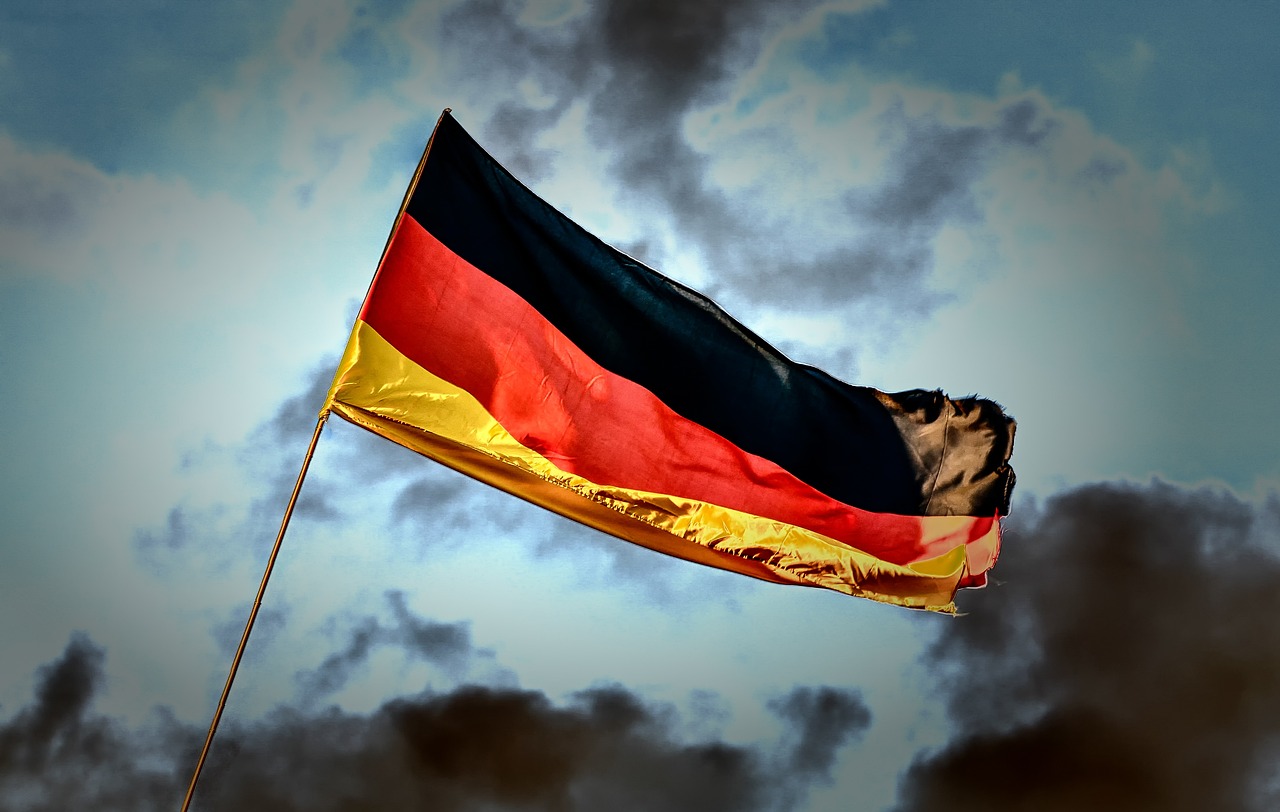
The Kriegsmarine flag, a symbol of naval power and history, has captivated enthusiasts and historians alike. Its enduring legacy prompts a deeper look into the materials that ensure its longevity. This article delves into the best materials for creating long-lasting Kriegsmarine pennants, addressing a common challenge faced by collectors and preservationists. We'll explore natural fibers, their resistance to fading and degradation, and the innovative treatments that enhance their durability. By understanding these materials, you'll be equipped to preserve this iconic naval emblem for future generations.
- Understanding the Kriegsmarine Flag: History and Significance
- Material Selection: Key Factors for Durability
- Longevity in Practice: Best Uses and Maintenance Tips
Understanding the Kriegsmarine Flag: History and Significance
The Kriegsmarine Flag, or the naval flag of Nazi Germany, holds historical and symbolic significance that must be understood to select the best materials for long-lasting displays. This iconic flag, featuring a black, red, and white design with a swastika in the center, served as a powerful symbol of the German Navy during World War II. Its stripes, each with specific meanings, represent the blood, courage, and sacrifice of Germany's naval forces. The first stripe, black, symbolizes strength and discipline; the second, red, signifies bravery and fighting spirit; while the third, white, embodies purity and honor.
When flying the Kriegsmarine Flag in public places, the appropriate selection of materials is crucial to ensure its longevity and maintain its historical integrity. Opting for high-quality, durable fabrics such as nylon or polyester ensures vibrant colors and resistance against weather conditions. These synthetic fibers have proven their worth in outdoor applications, offering superior strength and colorfastness compared to traditional cotton. For instance, a study by the International Flag Association found that nylon flags can last up to five times longer than cotton counterparts when exposed to constant outdoor conditions.
To ensure the best display and longevity of your Kriegsmarine Flag, consider seeking expertise from flag specialists like Ultimate Flags. They offer a range of custom solutions, including high-quality materials and advanced printing techniques, to reproduce historical flags with precision and authenticity. When choosing sizes for public displays, remember that larger flags often require stronger materials to maintain their shape and prevent rippling, especially in windier locations. Regular cleaning and maintenance are also vital, as proper care extends the life of your flag while preserving its historical significance.
Material Selection: Key Factors for Durability
When selecting materials for a Kriegsmarine pennant, understanding the key factors that contribute to durability is paramount. The Kriegsmarine flag, known for its distinct symbolism—including the iconic stripes representing the sea and the nation's maritime heritage—demands a fabric that can withstand the elements and the test of time. The right material choice not only preserves the flag's aesthetic appeal but also ensures its longevity, reflecting the pride and history associated with the Kriegsmarine flag symbolism.
Natural fibers like cotton and wool have traditionally been popular choices for flags due to their softness and breathability. However, for a Kriegsmarine flag intended for outdoor display, these fibers may not be the best option. They are more susceptible to fading and damage from UV radiation and can become brittle over time, especially when exposed to varying weather conditions. Conversely, synthetic materials such as nylon offer superior durability. Nylon flags are resistant to tearing, fading, and the effects of UV radiation, making them ideal for outdoor use and long-term display. They also maintain their shape and color vibrancy, ensuring the Kriegsmarine flag symbolism remains clear and respected.
Another critical aspect of material selection is the fabric's construction. High-quality flags, like those from a reputable quality flag source like Ultimate Flags, often feature reinforced stitching and robust construction methods. These techniques prevent fraying and ensure the flag can withstand rigorous outdoor conditions. Furthermore, considering the size and intended use of the flag is essential. Larger flags, particularly those meant for public displays or maritime settings, require materials that can handle increased wear and tear. The right material choice, combined with proper flying guidelines—exploring the how to fly a Kriegsmarine flag—will contribute to the flag's longevity, allowing its symbolism to remain a powerful testament to the Kriegsmarine's legacy.
Longevity in Practice: Best Uses and Maintenance Tips
The longevity of a Kriegsmarine flag, or any historical flag for that matter, is a testament to not only the quality of its construction but also the care and conditions in which it is maintained. When it comes to the Kriegsmarine Flag, experts in the US highlight that the durable materials and meticulous craftsmanship used by its creators have contributed to its enduring popularity. This flag, once a symbol of naval power and might, now serves as a poignant reminder of history, especially in ceremonial settings.
For a long-lasting Kriegsmarine Flag, the choice of materials is paramount. High-quality silk or cotton, often treated with protective coatings, ensures resistance to fading and degradation from sunlight and weather. These natural fibers, when properly woven and finished, can last for decades with minimal care. This is particularly important when the flag is displayed outdoors, where it faces constant exposure to varying weather conditions. Moreover, the use of robust sewing threads and reinforced stitching helps maintain the flag's structural integrity, preventing tears and ensuring it retains its shape over time.
Proper maintenance is key to preserving the authenticity and aesthetic appeal of a Kriegsmarine Flag. Regular cleaning with mild, water-based solutions and gentle handling during display and storage can significantly extend its lifespan. Avoid excessive sunlight exposure, as it accelerates color fading. Additionally, storing the flag in a cool, dry place, away from direct light, will help maintain its vibrancy. When purchasing a Kriegsmarine Flag, especially for ceremonial purposes, opt for a reputable flag seller like Ultimate Flags, ensuring you acquire an authentic, well-crafted piece that reflects the rich history and heritage it represents.
The Kriegsmarine Flag, with its rich history and symbolism, demands durable materials for long-lasting display. By understanding the flag's significance and selecting the right fabrics, enthusiasts can ensure their pennants withstand the test of time. Key factors like UV resistance, flame retardancy, and weatherproof properties are essential for outdoor use. Practical applications include maritime events, historical reenactments, and as decorative accents in homes or offices. Regular cleaning, storage in protected environments, and occasional re-sealing can significantly extend their lifespan. This article equips readers with the knowledge to make informed choices, ensuring their Kriegsmarine Flag remains a proud symbol of history for years to come.
The Kriegsmarine Flag, a powerful symbol of Nazi Germany's navy during World War II, requires careful consideration when displaying it. The best materials for long-lasting public displays are high-quality, durable synthetics like nylon or polyester, offering vibrant colors and weather resistance compared to traditional cotton. For authenticity and precision, seek specialists like Ultimate Flags who provide custom solutions. Regular cleaning and proper storage conditions further enhance the flag's longevity, preserving its historical significance. Choosing the right materials, construction techniques, and care ensures this iconic flag remains a testament to naval history for years to come.